

Have you ever noticed how one small action can change the course of an entire day — or even a life?
We often hear people say, “Everything you do has a consequence.” Some call it karma. But beyond the spiritual lens, there’s a practical truth here: everything we say or do sets something into motion.
A word of encouragement can lift someone’s spirit.
A careless comment can crush their confidence.
A simple act of kindness can brighten a bad day, while a moment of neglect can quietly make it worse.
That’s the ripple effect — the unseen waves created by our actions. What we do doesn’t just affect the moment; it echoes through people, emotions, and situations we may never even witness.
Understanding the Ripple Effect: Jacob Kounin’s Perspective

In 1970, classroom management theorist Jacob Kounin uncovered something fascinating about how human behavior spreads. Through his studies, later compiled in Discipline and Group Management in Classrooms, he coined the term “ripple effect.”
He observed that when a teacher corrected one student’s disruptive behavior — clearly, confidently, and respectfully — the rest of the class often adjusted too. Students became more attentive, focused, and cooperative. One small act of correction created a wave of alignment across the room.
How the Ripple Effect Works
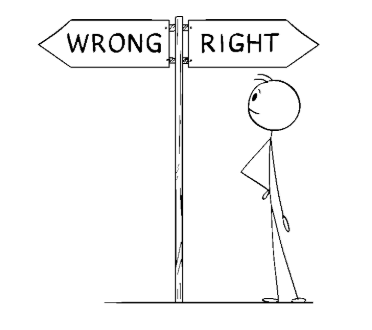
When the teacher acts, everyone watches.
A clear and timely correction sends a collective signal:
“This behavior is noticed — and it matters.”
That moment silently resets expectations.
But the opposite action is also true. When misbehavior goes unaddressed, students interpret silence as permission — sparking a negative ripple effect. One unchecked act can slowly normalize poor behavior, eroding the class’s sense of order.
Kounin found that effective teachers didn’t just reprimand — they led with awareness and balance. He identified four key traits that determine whether a ripple turns positive or negative:
- Clarity — clearly naming the behavior and setting expectations.
- Firmness — showing consistency and fairness in action.
- Withitness — being aware of everything happening in the environment.
- Smooth transitions and pacing — maintaining momentum so idle time doesn’t breed distraction.
These principles keep energy flowing positively — preventing small disruptions from growing into bigger problems.
The Ripple at Work: Leadership in Action
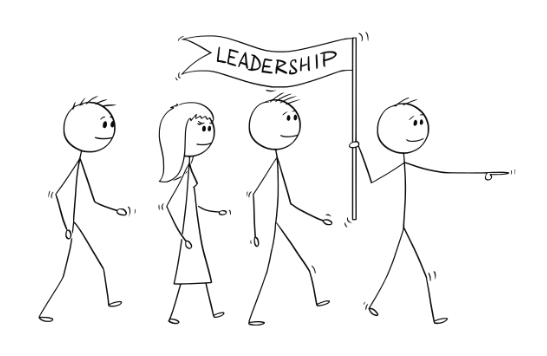
The same principle Kounin saw in classrooms plays out every day in workplaces — especially in high risk or high discipline environments like HSE (Health, Safety & Environment) or industrial operations.
Leaders, just like teachers, create ripples through both their actions and inactions. When a supervisor calmly but decisively addresses unsafe behavior in front of the team, it sends a clear message:
“We take safety seriously here.”
That one moment of accountability can shift how the whole crew behaves for the rest of the shift. People become more alert, careful, and committed — not out of fear, but because a clear standard has been reinforced.
But when a small shortcut is ignored — “It’s just one time” — it sparks a negative ripple. Others see that exception and quietly adjust their own standards. Over time, these small allowances compound into cultural erosion — a workplace where safety exists in policy but not in practice.
Sometimes, all it takes to lift a team’s spirit is something as simple as a manager saying, “Thank you,” after a long, tough week. No grand speech. No PowerPoint slides. Just recognition — sincere, specific, human. That small act changes everything. People walk lighter. They talk kinder. They show up with more heart because they feel seen.
But a sarcastic tone, a dismissive look, or an unfair remark can undo that just as fast.
It doesn’t take a major incident to break trust — just consistent indifference.
That’s how culture shifts — not in a day, but through the ripples of small, repeated moments.
Culture Shifts Through Ripples, Not Announcements

Culture doesn’t transform through slogans, posters, or grand speeches. It shifts through micro moments — the tone leaders use, the way peers react, and the choices people make when nobody’s watching. Every decision to correct, encourage, or stay silent becomes a cultural signal.
In Malaysia, there’s a saying: “Cakap tak serupa bikin.”
It means “You say one thing but do another.”
When leaders say the right words but their actions tell a different story, people believe the experience, not the message. Positive ripples like consistent feedback, real-time recognition, accountability, and empathy will gradually build a generative culture, where doing the right thing feels natural.
Negative ripples like indifference, inconsistency, or unchecked behavior instead pull culture toward complacency.
What you tolerate, you teach. What you reinforce, you multiply.
The Psychology Behind Small Actions

According to Psychologs Magazine, even the smallest actions can spark long term change because our brains are wired to reward progress. When we do something positive e.g. express gratitude, offer help, or take responsibility, our brain releases dopamine, the neurotransmitter tied to motivation and reward. It tells us, “This feels good. Do it again.”
But the same mechanism works in reverse. Criticism without empathy, judgment without understanding, or silence when support is needed create ripples too, just in a darker direction.
As SprintLiving puts it:
“Tiny successes build the resilience and discipline needed for bigger goals.”
Small actions rarely stay small. They accumulate, shaping not just what we do, but who we become.
Everyday Ripples
The same principle shapes our lives outside of work too.
A parent who praises effort instead of perfection teaches their child confidence through failure. A friend who listens without interrupting reminds someone they’re worth being heard. A stranger’s smile in a queue lightens a heavy day.
We don’t usually think much of these moments, but they travel. They change how people feel, how they treat others, and how they see themselves.
“People don’t imitate rules, they imitate behavior.”
One Drop at a Time

Think back to a time when someone did something small that changed your day, a kind word, a patient tone, or a simple gesture that reminded you that people still care.
They probably forgot about it. But you didn’t.
That’s the beauty of the ripple effect. You’ll never fully know how far your actions travel or how deeply they matter. The only thing you can control is the kind of ripples you create.
So today, choose kindness. Choose patience. Choose to do the small thing that might just change someone’s world, even if you never see it happen.
“Small choices don’t just create impact, they create identity.”
— Richard La Faber
Reflection
What kind of ripples are you sending out today — through your words, your tone, and your presence?
Because the water around you is always moving. And your drop always matters.
Reference:
[PDF] The Ripple Effect in Discipline | Semantic Scholar
The Ripple Effect of Small Wins: How Tiny Successes Drive Long-Term Motivation – SPRINT LIVING
Ripple Effect Psychology: How Little Things Lead to Big Transformations










 Muiz Aziz
Leave a comment