
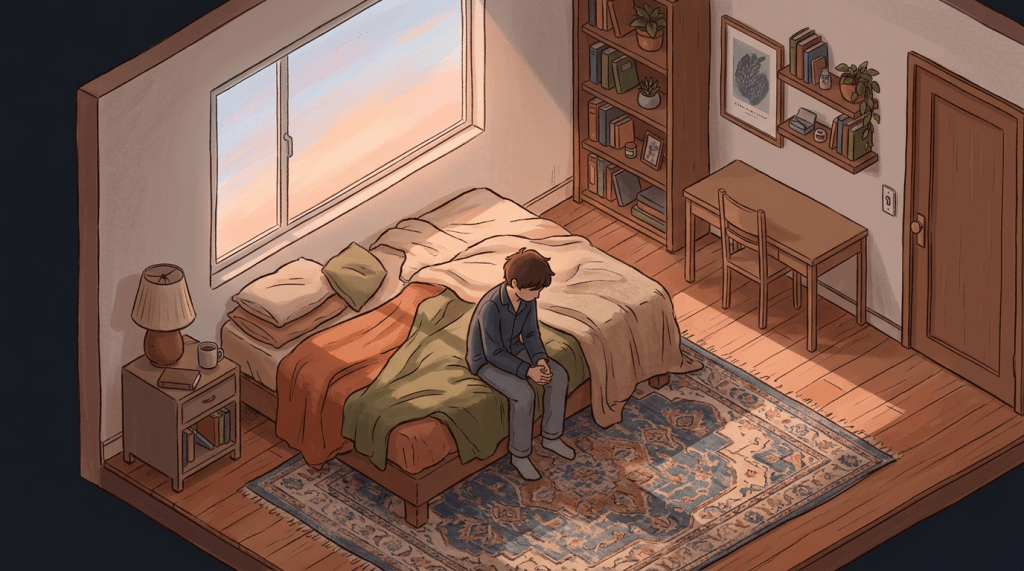
Two years ago, I had a friend named Aiman. He was the kind of employee every company wanted. Early to work. Always reliable. Always saying yes to extra responsibilities.
People respected him because he looked strong.
But slowly, something changed.
He started losing energy. Simple tasks felt heavy. He became quieter in meetings. Even worse, he began making mistakes that didn’t feel like him at all.
One day during lunch, I asked if he was okay.
He looked at me and said:
“I sleep enough, but I still wake up tired. I take leave, but nothing changes. I used to love my job. Now even looking at my laptop makes me feel sick.”
That was when I realized:
He wasn’t just tired.
He was burned out.
Burnout Is More Than Exhaustion
Psychologist Christina Maslach describes burnout through three major signs:
1. Emotional Exhaustion
Not normal tiredness. This is the kind of exhaustion that stays even after rest.
2. Cynicism and Disconnection
You slowly stop caring. About work. About people. Sometimes even about yourself.
3. Feeling Like Nothing You Do Is Enough
Even capable people can feel empty and ineffective during burnout.
No matter how much they achieve, it still feels meaningless.
Why Rest Alone Doesn’t Fix Burnout
This is where many people misunderstand burnout.
We think:
“I just need more rest.”
So we sleep more.
Take holidays.
Spend hours scrolling social media.
But the feeling stays.
Because burnout is not just a lack of rest.
It is often a long-term lack of:
- meaning
- emotional connection
- control over life
- proper recovery
And the dangerous thing is, burnout happens slowly.
You ignore small warning signs.
You keep pushing yourself.
You keep saying:
“I’ll be okay later.”
Until one day, your internal tank is completely empty.
Why Burnout Happens
1. We Tie Our Worth to Productivity
When your identity becomes too connected to work, resting starts to feel like failure.
Saying “no” feels selfish.
Taking leave feels lazy.
So you keep pushing beyond your limits.
2. Stress Without Recovery
Stress itself is not always bad.
But stress without recovery slowly breaks people down.
Just like muscles need rest to grow, the mind also needs recovery.
Modern life teaches us to keep pushing.
Rarely to slow down.
3. Losing Your “Why”
Research from Adam Grant shows that purpose protects people from burnout.
At the beginning, most people have a strong reason for what they do.
But over time, routines replace meaning.
And when the “why” disappears, even small tasks begin to feel emotionally heavy.
How to Start Recovering
Recognize the Early Signals
Burnout often starts with:
- dreading mornings
- emotional numbness
- irritability
- isolation
- losing passion for things you once loved
Don’t ignore those signals.
Learn the Difference Between Recovery and Distraction
Scrolling social media is not always rest.
Real recovery restores energy mentally and emotionally.
Exercise, nature, meaningful conversations, hobbies, and quiet time often help more than endless distraction.
Revisit Your “Why”
Ask yourself honestly:
“Why am I doing all of this?”
Sometimes burnout comes from living according to expectations that were never truly yours.
Build Boundaries Early
Simple boundaries matter:
- no work emails late at night
- protected rest days
- learning to say no before overload happens
Small boundaries prevent big breakdowns.
Final Thoughts
Aiman eventually started recovering, but not because of one vacation or one weekend break.
He recovered because he slowly rebuilt his life with healthier boundaries and a clearer sense of purpose.
And maybe that’s the real lesson about burnout:
It is not weakness.
It is a signal.
A signal that your mind and body have been asking for help for a very long time.







 Muiz Aziz
Leave a comment